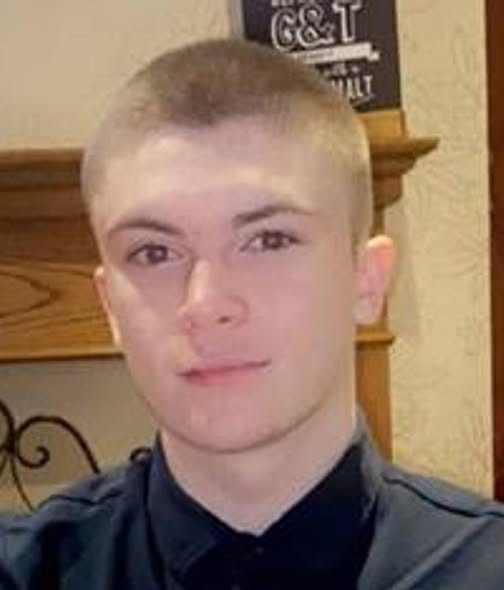
In Loving Memory of Daniel Kerr 🕊️
The tragic loss of a young life leaves a silence that words can scarcely fill. Today, many hearts are heavy as we remember Daniel Kerr, a teenager whose life ended far too soon at Polmont Young Offenders Institution in Falkirk. His passing is not only a personal tragedy but also a painful reminder of the vulnerability of young people who struggle with grief, mental health challenges, and the harsh realities of life behind prison walls.
A Young Life Marked by Loss
Daniel Kerr was still navigating the difficult years of adolescence when he was struck by a devastating personal loss. Just weeks before his death, Daniel lost his mother — a grief that would shake anyone, let alone a young person already facing emotional and neurological challenges.
Daniel was known to live with Autism Spectrum Disorder and Attention Deficit Hyperactivity Disorder, conditions that can make coping with sudden grief and stressful environments even more overwhelming. Those who understood these conditions know how vital routine, stability, and emotional support are for individuals living with them.
The death of his mother left Daniel grieving deeply. He attended her funeral approximately four weeks before his own death — a moment that must have been profoundly painful. Following the funeral, social workers reportedly requested that Daniel be placed on suicide watch, with welfare checks scheduled every fifteen minutes to ensure his safety and wellbeing.
His Final Days
Daniel was being held at Polmont Young Offenders Institution, a facility that houses young offenders in Scotland. In the days leading up to his death, it was reported that Daniel had been involved in a fight. As a result, he was moved to a protection wing, an area typically used to separate vulnerable inmates from others to reduce the risk of harm.
Despite these difficulties, Daniel was reportedly seen alive at around 1 a.m. on the morning of his death and was said to be in good spirits at the time. Hours later, at approximately 8 a.m., his body was discovered.
Authorities believe that Daniel may have taken his own life, though investigations and inquiries into the circumstances surrounding his death are expected to determine exactly what happened and whether the safeguards meant to protect him were fully in place.
One troubling question remains: were the welfare checks that had been requested after his mother’s death still being carried out in the days before he died? The answer to that question could hold critical importance for understanding how this tragedy occurred.
A Reminder of Vulnerability
Daniel’s story highlights the fragile intersection of youth, grief, mental health, and incarceration. Young people in custody often carry complex histories — trauma, loss, developmental conditions, and emotional struggles that require careful and compassionate support.
For someone like Daniel, who was coping with autism, ADHD, and the sudden loss of his mother, the emotional burden could have been immense. The prison environment, even within youth facilities, can feel isolating and overwhelming, especially for individuals already dealing with neurological and psychological challenges.
His death raises important questions about how vulnerable young people are monitored and protected while in custody. Suicide watch procedures, regular welfare checks, and specialized support for neurodivergent individuals exist for a reason: to prevent exactly this kind of heartbreaking loss.
Remembering Daniel Beyond the Headlines
While the circumstances surrounding Daniel’s death are being examined, it is important to remember that he was more than a case or a news headline.
He was a son, a young person still growing, still learning, and still deserving of compassion and care. Somewhere in Daniel’s life were moments of laughter, memories with his family, dreams for the future, and the quiet hopes that every young person carries.
Those who knew him will remember the person he was beyond the struggles he faced.
A Call for Compassion and Change
Daniel Kerr’s passing is a profound tragedy, and it has left many people asking difficult questions about care, oversight, and mental health support for young people in custody. Every loss like this should serve as a moment of reflection — not only for institutions but for society as a whole.
Young offenders are still young people. They need guidance, understanding, and protection, especially when they are grieving, vulnerable, or living with developmental conditions.
If Daniel’s story can inspire greater awareness, stronger safeguards, and deeper compassion for those in similar situations, then his memory may help protect others from suffering the same fate.
Rest in Peace, Daniel 🕊️
Daniel Kerr’s life ended far too soon, leaving behind sorrow, unanswered questions, and a reminder of how fragile life can be.
May he be remembered not only for the tragedy of his passing but for the young life he lived.
Rest in peace, Daniel. You will not be forgotten. 🕯️
Leave a Reply